RETROSPECTIVE / ANALYSIS
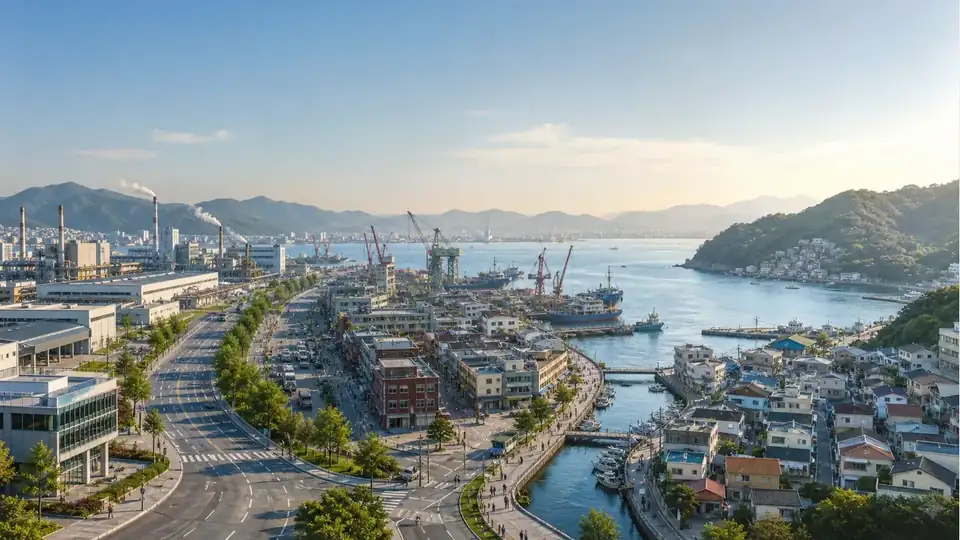
Changwon's merged-city structure is often described through administrative boundaries, but its deeper logic is economic and cultural. Changwon, Masan and Jinhae each bring a different relationship to work, movement and the coast.
The planned industrial city provides manufacturing capacity and a recognizable grid of workplaces and residential districts. Masan contributes a commercial and port history shaped by exchange, while Jinhae adds naval and maritime traditions.
These identities are complementary, but they do not automatically become one story. Transport links, public spaces and local media all influence whether residents experience the city as connected or fragmented.
A stronger shared identity would not erase district character. It would make those differences legible, showing how suppliers, workers, schools, neighborhoods and cultural institutions depend on one another across the city.
This article is analysis. Its purpose is to frame questions for civic discussion, not to announce a government plan or predict a particular investment outcome.